What you need to know about right to work in the UK
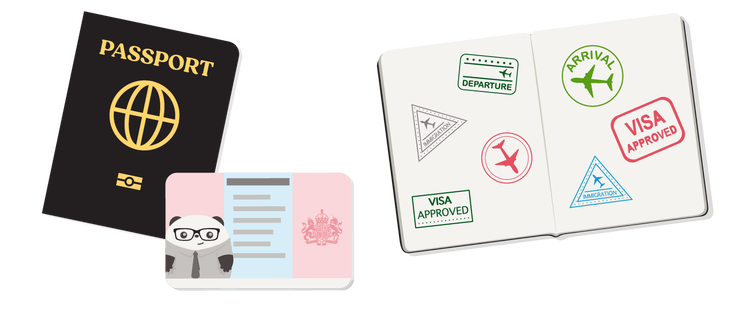
Whether someone is legally able to work in the UK depends on their immigration status and visa conditions. The 'right to work' means you have permission under UK law to take paid employment. Some may only work in certain roles, industries, or for limited hours. It’s critical to verify whether a potential employee has the right to work in the UK before you hire them.
This involves carrying out proper right to work checks before employment begins. In this article, we’ll explore what the right to work means, why it’s important for employers, and how to complete these checks correctly to stay compliant.
What is right to work in the UK?
The right to work is a status granted to individuals living in the UK. It’s important to note that simply living in the UK doesn’t automatically guarantee the right to work. Instead, it’s often tied to citizenship, migration, or visa status.
This exists to prevent people from working illegally and is part of UK employment law. Illegal working can be a driving factor of illegal migration, and can result in exploitation, and in extreme cases, modern slavery. Illegal working can also undercut the wages of those who do have the right to work.
Who has the right to work in the UK?
Those with an automatic right to work in the UK include:
- British and Irish citizens
- People with pre-settled or settled status as part of the EU Settlement Scheme
- People who’ve applied for the EU Settlement Scheme and are awaiting a decision, or have family permits from the scheme
- People with indefinite leave to remain in or enter the UK
- People with the right of abode in the UK
Those who don’t have the right to work in the UK include:
- People who have entered the UK without proper permission (including visa)
- People whose leave has ended
If a person has a visa with a time limit, they may still have the right to work in the UK.
Right to work checks: Your responsibilities as an employer
As an employer, you’re responsible for preventing illegal working within your business. One of the essential steps to prevent this is a right to work check, a simple process that can tell you whether a person is legally allowed to work in the UK. If you choose to employ an unauthorised worker, you can be fined as a result.
It’s your responsibility to perform all necessary right to work checks, but it’s equally important to ensure that in doing so, you aren’t discriminating against qualified applicants protected by the Equality Act 2010.
Right to work documents
To prove they have the right to work, potential employees will need to provide specific documents. For British or Irish citizens, a passport or passport card should suffice. Likewise, passports can also be used for individuals exempt from immigration control, as are Immigration Status Documents. People from the Channel Islands and the Isle of Man will need to provide documents issued by their governing bodies, which must be approved by the Home Office Employer Checking Service.
Workers from overseas will need to provide a share code. This is part of their eVisa, a digital document that shows their identity and immigration status. It will also cover their rights in the UK, including their right to work. As an employer, you don’t need to see their eVisa; instead, they need to provide their date of birth and share the code. Once activated, a share code lasts for 90 days, so you should be able to check their right to work repeatedly until it expires.
How to carry out right to work checks
Carrying out a right to work check is simple. You can do this by either checking an applicant’s original documents or through their share code. The easiest way to check a right to work is online, via the gov.uk portal. You’ll be asked to enter the applicant’s share code, which will then confirm whether they have the right to work. Alternatively, you can check their documents manually.
There may be a scenario where you hire someone without the right to work in the UK, even after performing the necessary checks; however, if you can prove you’ve carried out a check, you won’t receive a civil penalty for that worker. To prove this, you’ll need a statutory excuse. You can get a statutory excuse by carrying out one of the following:
- A manual right to work check
- A digital verification service right to work check (this only applies to British and Irish citizens)
- An online right to work check through the Home Office (this only applies to non-British/Irish citizens).
If you’re carrying out a manual right to work check with original documents, there are three basic steps to follow:
- Request the original versions of at least one of the valid documents.
- Check the documents while the owner is present (either in person or on a video call). Ensure the documents are genuine and that any photo ID matches the document holder.
- Make copies of the document with a record of the date they were checked. Be sure to securely store the copies for future reference.
It's important that you are consistent with your right to work checks and don’t discriminate against applicants. The best way to avoid this is to check everybody, regardless of nationality or role. For more information, download the Home Office’s official guide to right to work checks.
Penalties for employing unauthorised workers
The UK takes a ‘whole government approach’. Meaning that there’s coordination across multiple agencies, not just HMRC, to handle workers’ right to work. If you’re found to have knowingly employed unauthorised workers, or if you haven’t carried out the required checks, you may face the following:
- A penalty of up to £60,000 per unauthorised worker
- A criminal conviction, which could mean up to five years in prison and an unlimited fine, if it’s a serious case
- The closing of your business, and a compliance order by the court
- The disqualification from holding the position of a director
- A ban that prevents you from sponsoring migrants
- The seizure of the earnings you made from illegal working.
Note: If you work in the alcohol and late-night refreshments sector or the private hire vehicle and taxi sector, your license could be reviewed and possibly revoked as a result of employing unauthorised workers.
Right to work FAQs
The right to work in the UK is relatively simple; however, it’s normal to have questions. We’ll tackle some of the most common below.
What is a valid proof of right to work in the UK?
If the applicant is a British or Irish citizen, a passport will serve as valid proof of right to work in the UK, even if it has expired. If applicants don’t have a passport, a birth or adoption certificate can be used, as can a certificate of registration or naturalisation as a British citizen.
For non-British/Irish workers, valid proof can be provided in the form of a share code or eligible immigration documents.
How long does a right to work check take?
A right to work check shouldn’t take long at all. If checking a share code online, you’ll get the information you need almost immediately. Likewise, if you’re checking original documents manually, you won’t need to do much more than make a copy and note the date the check took place.
Are volunteers classed as employed?
No, volunteers are not classed as employed. Volunteers aren’t given a contract of employment, so they don’t have the same rights as a worker. Volunteers may have their expenses covered, but generally won’t be paid. Similarly, volunteers can leave when they wish, as they aren’t bound by a contract.